
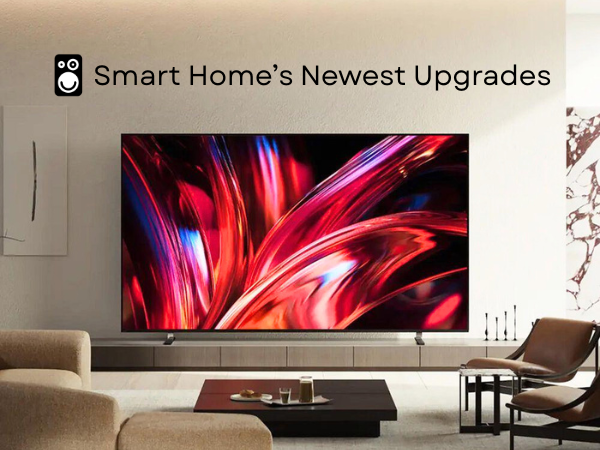
Smart home technology keeps finding new ways to become more helpful while taking up less space in your day. The latest products are easier to control and better at working together. Some are also getting much, much bigger. We are looking at you, 115-inch television.
We took a look at four recent releases from brands we work with that have caught our attention. They include new developments in whole-home audio and security, along with AI-powered home control and one seriously impressive screen.
Here is some of the newest technology making its way into today’s homes.
Whole-home audio is one of those features you quickly get used to having. Music can follow you into the kitchen, continue outside by the pool and play independently in another part of the house.
The new Sonos Amp Multi was created specifically for larger, professionally installed audio systems. It has eight amplified outputs and can support up to four separate listening zones. One unit can power as many as 24 Sonos Architectural speakers, giving integrators plenty of flexibility when designing audio for larger homes and multipurpose spaces.
It also includes new professional tuning tools that allow each output to be adjusted based on the room, speaker placement and surrounding materials. That matters because a room filled with glass and tile behaves very differently from one with rugs, upholstered furniture and heavy curtains.
For homeowners, the best part may be what stays familiar. The system is still controlled through the Sonos experience people already know, even when there is considerably more happening behind the scenes.
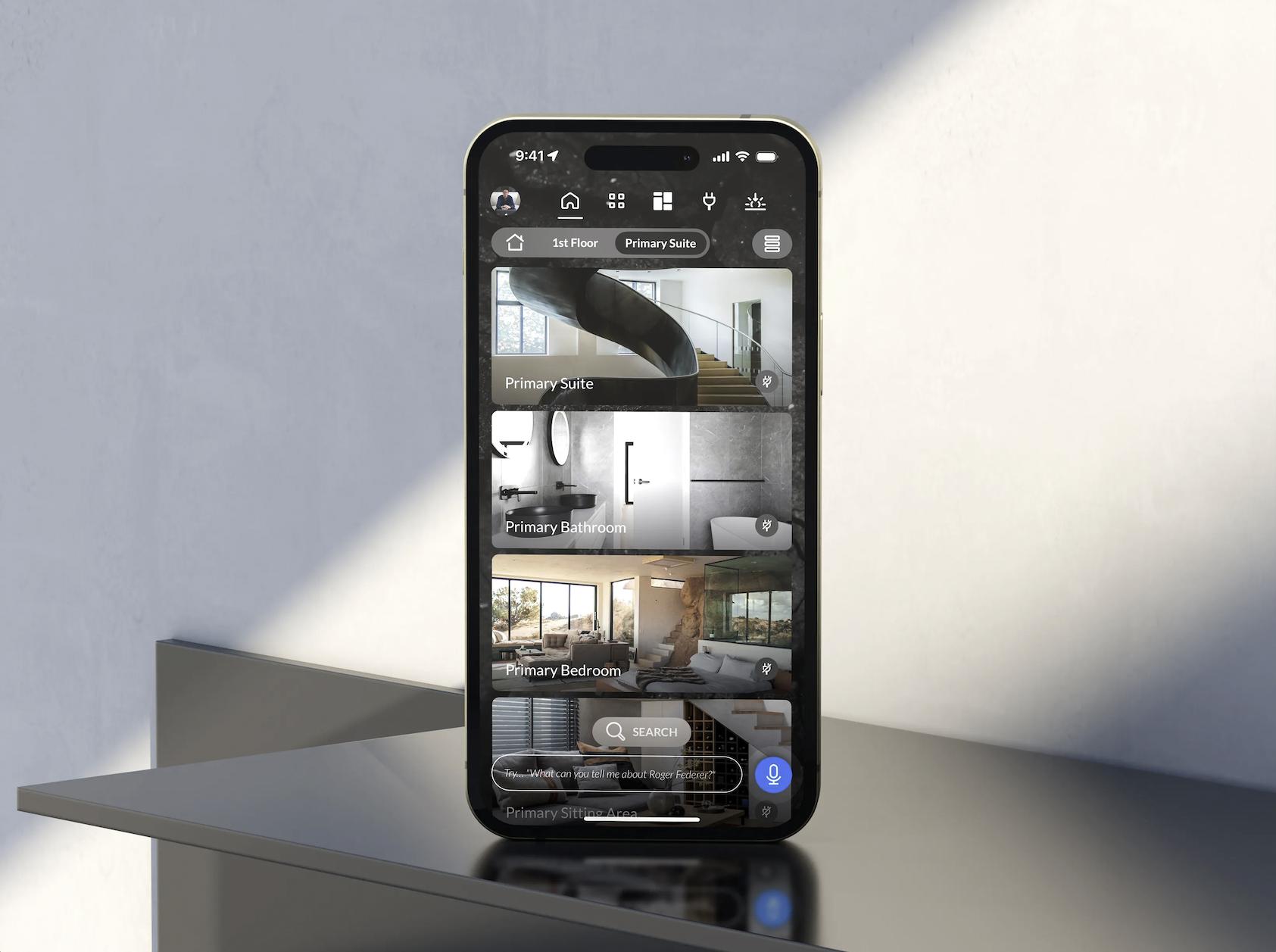
Josh.ai has been using artificial intelligence in home automation long before AI began appearing in nearly every headline. Its newly launched AI X OS brings that intelligence into even more parts of the home.
The redesigned platform includes customizable dashboards, improved media controls and direct access to live camera feeds. It also expands Josh.ai control to pools and spas, which is especially useful here in Texas.
One of the most interesting additions is AI Scene Creation. A homeowner can describe how they want the house to feel, and Josh.ai can help translate that idea into a customized scene using connected lighting, shades and entertainment systems.
You might ask for a relaxed setting for dinner or tell the house you are having friends over to watch a game. The system can then help build the experience around that request.
This is where artificial intelligence starts to feel genuinely useful in a smart home. You do not need to think through every individual device or remember which setting controls which light. You can begin with what you want to happen and let the system handle the details.
Security cameras can capture a tremendous amount of footage. Finding one specific moment in all of that video has traditionally required a fair amount of scrolling and a pretty good memory.
Alarm.com’s new AI Video Event Search changes that process. Users can search their saved footage with everyday language by typing descriptions such as “red pickup truck last week” or “package at the front door Friday.” The system then pulls up the clips that most closely match the request.
That could be helpful when you are looking for a delivery, checking when someone arrived or trying to identify a vehicle that passed the house several days ago.
Alarm.com has also introduced the ADC-V530 indoor camera. It includes 4MP HDR video, an integrated spotlight for color night vision and a built-in privacy shutter. Updated video analytics can distinguish between people, animals and vehicles, helping reduce alerts for activity that does not need your attention.
Together, these features make recorded video far easier to navigate. Nobody wants to spend an afternoon searching through camera footage when the system can help find the right moment in seconds.
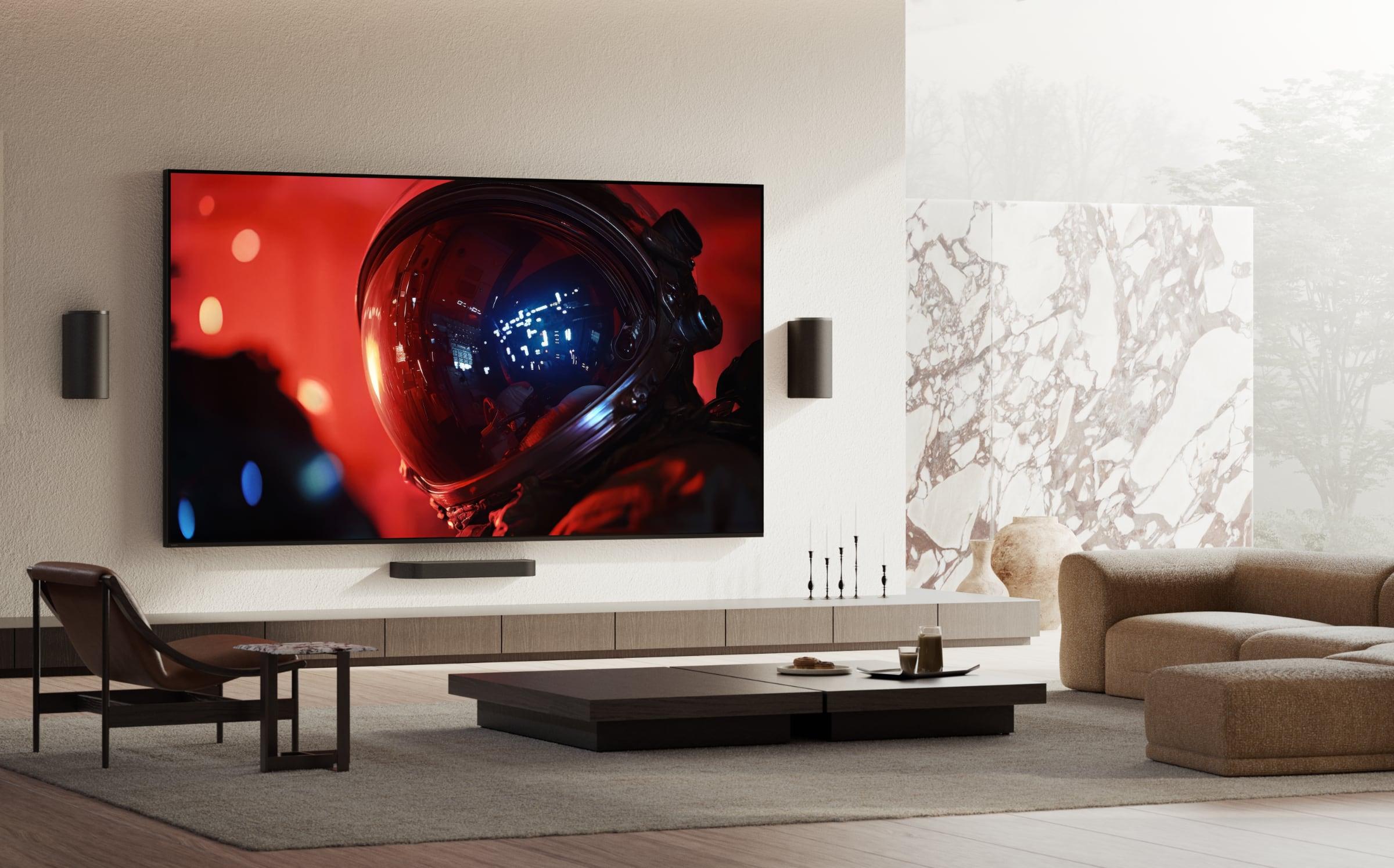
Sometimes, you want the television to blend quietly into the room. Other times, you want 115 inches of “Did you see that?”
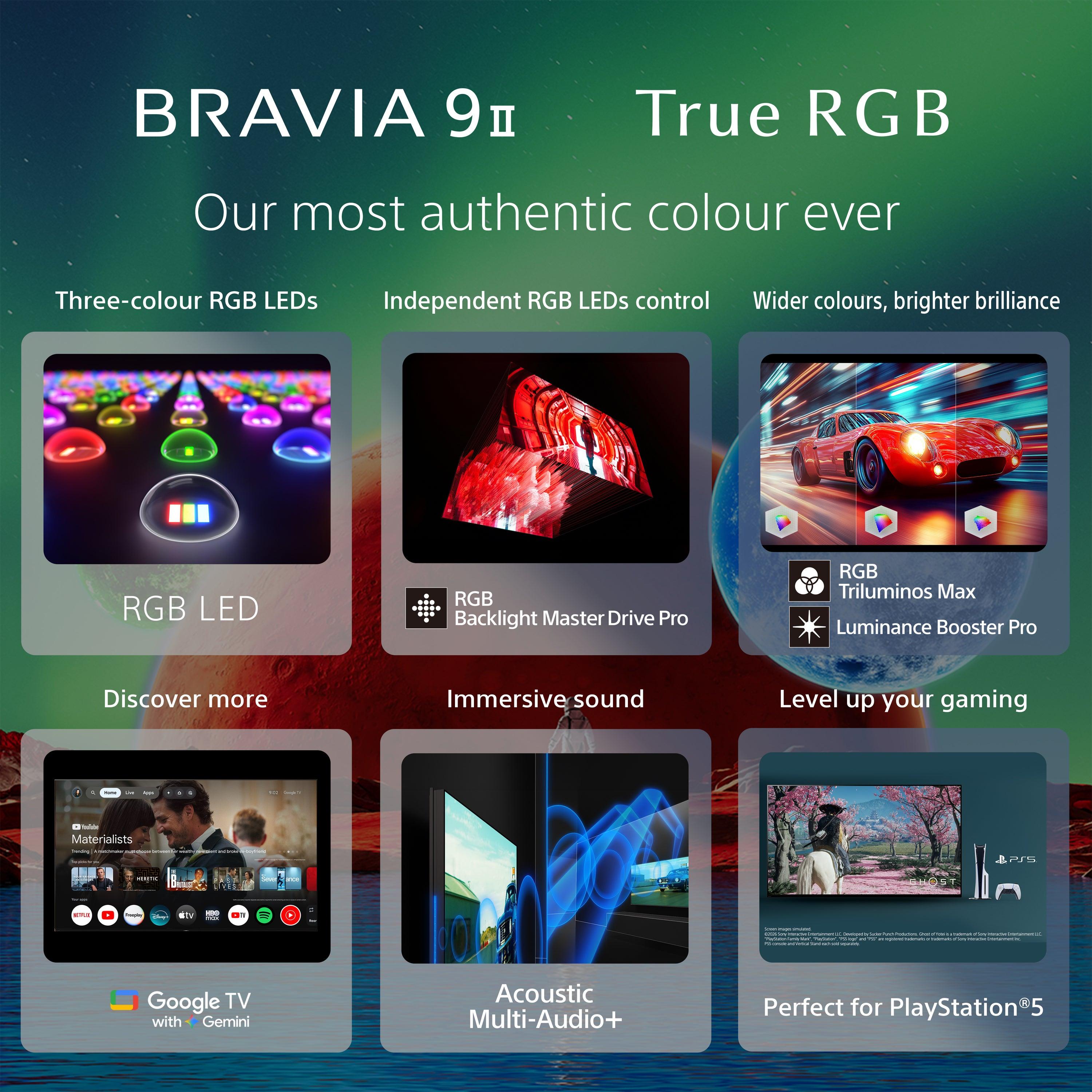
The new Sony BRAVIA 9 II 115-inch Class TV is made for the second kind of room. With a 114.5-inch viewable screen, this flagship 4K display brings true large-format viewing into the home without requiring a projector.
Its new True RGB technology controls each color channel independently, allowing the television to produce a wider range of color with greater precision. Sony’s XR Processor uses AI to analyze the picture and optimize each scene, while the large display is designed to maintain strong color and contrast from a wider range of viewing positions.
We were invited to see the BRAVIA 9 II at the Sony Roadshow in May before its official release. Sony gave us a look behind the screen at the technology powering the display, and seeing the picture in person was incredible. At this size, the effect feels much closer to a private cinema.
Of course, getting a 115-inch television safely into a home is its own production. Sony offers a three-person white-glove delivery service for this model on the day of installation. The team delivers and unpacks the television, then powers it on to confirm that it arrived without damage before the installation moves forward.
The BRAVIA 9 II retails for approximately $30,999.99. It is certainly a premium display, but for a dedicated media room, golf simulator or large entertainment space, it creates an experience that is hard to match.
These products show where smart home technology is heading. Audio systems are becoming easier to scale. Home control is learning how to respond to more natural requests. Security footage is becoming searchable, and large displays are finding better ways to live alongside the design of the home.
Of course, even the newest technology works best when it is thoughtfully designed around the people who will use it. The right system should account for how you move through the house, how you entertain and what you want to be able to change later.
Whether you are building a new home, planning a renovation or thinking about an upgrade, MediaHead can help you determine which technology belongs in your space and how it should all work together.


